
Wisdom Teeth: Signs, Problems, and When to See a Dentist
Wisdom teeth are the last permanent teeth to develop, and for many people, they can bring a few unexpected dental concerns. While some wisdom teeth emerge normally and never cause trouble, others may become impacted, grow at an angle, or create areas that are difficult to keep clean. Knowing what to watch for can help you seek dental care before a minor concern becomes a more uncomfortable problem.
At CB Dentistry, we help patients understand what is happening with their wisdom teeth and determine whether monitoring or treatment may be appropriate. If you are looking for wisdom teeth care in Burlington, a dental assessment is the best place to start.
What Are Wisdom Teeth?
Wisdom teeth, also known as third molars, are located at the very back of the mouth. They typically begin to emerge during the late teenage years or early adulthood, although every patient develops differently.
Some people have four wisdom teeth, while others develop fewer or none. Having wisdom teeth is not necessarily a problem. When they grow into a healthy position, have enough space, and can be cleaned properly, they may remain in place without causing significant concerns.
Problems often arise when there is not enough room in the jaw for these additional molars.
What Are Impacted Wisdom Teeth?
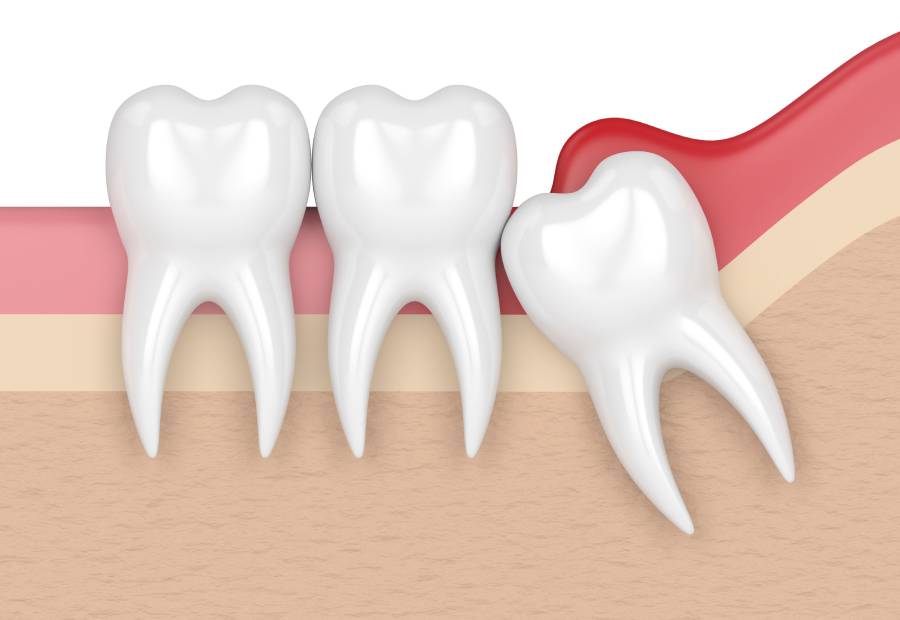
An impacted wisdom tooth is one that cannot fully emerge into its proper position. It may remain completely underneath the gum or only partially break through.
Wisdom teeth can also grow at an angle toward neighbouring molars or in another direction rather than emerging upright. Depending on their position, impacted teeth may contribute to discomfort, gum inflammation, decay, or damage to nearby teeth.
Partially erupted wisdom teeth can be particularly difficult to clean. Food particles and bacteria may collect around the gum tissue, potentially increasing the risk of inflammation and infection.
A dentist in Burlington can examine the area and may recommend dental X-rays to better understand how your wisdom teeth are positioned.
Signs Your Wisdom Teeth May Be Causing Problems
Wisdom tooth problems do not always produce symptoms immediately. This is one reason regular dental checkups remain important, particularly for teenagers and young adults.
When symptoms develop, you may notice:
- Pain or pressure at the back of the mouth
- Red, tender, or swollen gums
- Jaw discomfort or stiffness
- Difficulty opening your mouth comfortably
- Food becoming trapped around the back teeth
- Persistent bad breath or an unpleasant taste
- Sensitivity around neighbouring molars
- Swelling around the jaw or cheek
Experiencing one of these symptoms does not necessarily mean your wisdom teeth need to be removed. Other dental conditions can cause similar symptoms, so an examination is necessary to determine the cause.
Do Wisdom Teeth Always Need to Be Removed?
One of the most common misconceptions about wisdom teeth is that everyone needs to have them extracted. In reality, wisdom tooth removal depends on the condition and position of the teeth as well as the patient’s overall oral health.
If wisdom teeth have fully emerged, are healthy, and can be cleaned effectively, your dentist may simply monitor them during routine appointments.
Removal may be considered when wisdom teeth are associated with recurring infections, significant decay, damage to nearby teeth, certain cysts or other pathology, or other oral health concerns.
At a Burlington dental clinic, your dentist can evaluate the risks and benefits of treatment and explain the options available for your specific situation.
What Happens During a Wisdom Teeth Assessment?
A wisdom teeth assessment in Burlington generally involves examining your mouth and reviewing the position of your third molars. Your dentist will check your gums, neighbouring teeth, and the areas where wisdom teeth are emerging.
Dental X-rays may also be taken when clinically appropriate. These images can show wisdom teeth that are still beneath the gums and provide important information about their position and surrounding structures.
After the examination, your dentist can explain whether the teeth appear healthy, should continue to be monitored, or may require treatment. More complex cases may be referred to an appropriate dental specialist.
Caring for Your Mouth After Wisdom Tooth Removal
If extraction is recommended, your dental team will provide instructions for caring for your mouth following the procedure. Recovery differs from patient to patient and depends partly on the complexity of the extraction.
Temporary swelling, tenderness, and discomfort are common during the initial healing period. Following your dentist’s instructions carefully can help support recovery.
Patients may be advised to eat softer foods, avoid strenuous activity for a short period, and keep the extraction area clean according to their dentist’s directions. Smoking and actions that can disrupt the healing site may also need to be avoided.
Contact your dental provider if you experience severe or worsening pain, significant swelling, persistent bleeding, or other symptoms that concern you.
Why Regular Dental Checkups Matter for Wisdom Teeth
Even if your wisdom teeth are not painful, regular dental examinations can help monitor how they are developing. A tooth can sometimes create problems before noticeable symptoms appear.
Routine checkups also allow your dentist to monitor nearby teeth and gums. If changes occur, they can discuss the appropriate next steps rather than waiting for the area to become uncomfortable.
For patients with wisdom teeth that remain in place, maintaining excellent oral hygiene is especially important. Because third molars are located far back in the mouth, brushing and cleaning around them may require extra attention.
Looking for Wisdom Teeth Care in Burlington?
Whether your wisdom teeth are beginning to emerge or you have been experiencing discomfort for some time, professional assessment can provide clarity about what is happening and what to do next.
At CB Dentistry in Burlington, our dental team can evaluate your wisdom teeth, discuss your concerns, and recommend care based on your individual oral health needs.
If you have questions about impacted wisdom teeth, wisdom tooth removal, or wisdom teeth treatment in Burlington, contact CB Dentistry to schedule a dental appointment and take the next step toward maintaining a healthy, comfortable smile.